
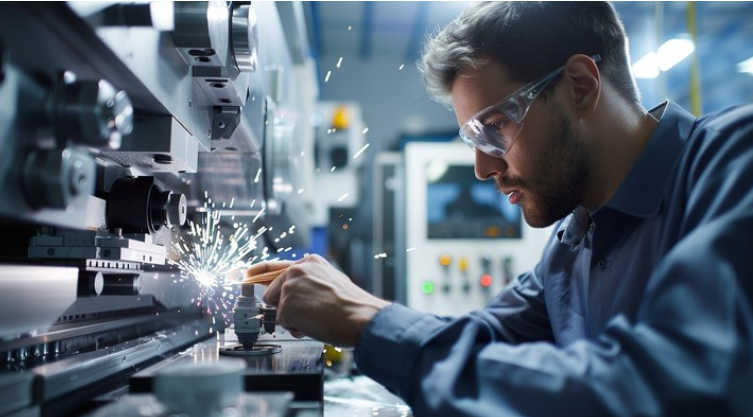
For industries where exact measurements, tight tolerances and consistent quality matter the most, precision manufacturing holds a critical place. A strong name has been built by precision engineers in the West Midlands across sectors like automotive, aerospace, glass manufacturing and industrial machinery, where components are produced that meet standards which are quite demanding in nature. This region, over many years, has come to be known for manufacturing that is skilled, and this comes from decades of experience in industry, along with technical knowledge that has passed through generations of engineers working in this line of work.
What Does Precision Engineering Actually Involve?
Designing, manufacturing and refurbishing of mechanical parts with measurements that are very accurate, this is what precision engineering is about, put in simple words. From general manufacturing, it differs in this way, that here the focus remains on parts which fit and work with almost no space left for error. For shaping metals into forms that are precise, engineers rely on machinery that is advanced, such as CNC turning and CNC milling.
Steps that are usually covered in this process include the following:
- Technical drawings and specifications, going through them with care
- Materials, choosing the right ones based on strength and durability that is required
- Components, machining them with equipment that is controlled by computer
- Parts, testing and checking them so accuracy can be confirmed
- Product, finishing it and running checks for quality
Each of these steps carries importance, since through them, the final product is made to perform well, even under conditions in industry that are tough.
Why Is Accuracy So Important in Manufacturing?
On safety, efficiency and cost of production, accuracy has an effect that is direct. Even a mistake that is small in tolerance can cause failure in equipment, delay in production, or maintenance needs that increase with time. In industries such as aerospace or glass manufacturing, components often must survive heat that is extreme, along with pressure and movement that is constant, so error is something with very little room to exist.
Waste during production gets reduced, this is how precision manufacturing helps, by cutting down on mistakes. Product life gets extended because of this, and also, for businesses that depend on machines working without stop, operational costs come down as well.
How Is Quality Maintained in Precision Manufacturing?
At the centre of any manufacturing process that wants trust to be built, quality control needs to remain. Standards that are recognised, such as ISO 9001 certification, get followed by many facilities today, and through this, methods of production, documentation and practices for improvement stay consistent across the board.
Some ways through which quality commonly gets maintained are these:
- Dimensions, checking them using tools that are specialised for measuring
- Materials, testing them for strength and for composition
- Machinery, calibrating it on a basis that is regular
- Checks for quality, keeping them documented at every stage of production
Trust between manufacturers and the industries that depend on them, this is what such practices build, making sure that components meet rules for safety along with levels of performance that are expected.
What Types of Components Are Typically Manufactured?
Since many industries are supported through precision engineering, quite a lot the type of components produced can vary. Examples that are common include the following:
- Parts made custom for machines used in industry
- Parts for replacement in equipment that is older or no longer produced
- Systems for mechanical drive, along with actuators
- Tools that are specialised, used in processes of manufacturing
- Components built for environments where temperature is high, like in production of glass
For industries still depending on machinery that is older, manufacturing of spare parts becomes useful in particular. Instead of an entire system being replaced, companies often choose that specific parts get refurbished or remanufactured, and through this, life of their equipment gets extended.
How Has Manufacturing Technology Evolved Over Time?
A great deal, methods of manufacturing have changed over years that passed. What in the past was manual machining, in most cases now, gets supported through systems of CNC that are automated, giving to engineers precision that is better, times of production that are quicker, along with ability to repeat designs that are complex, with consistency.
Software for digital design has also, in modern manufacturing, become a part of it, letting engineers build models of components before production in actual starts. Waste in material gets cut down through this, and changes at a stage that is early in design can be made as well, and through this, both time and resources get saved in the long run.
Why Does Regional Manufacturing Expertise Matter?
In regions where history in industry is long, knowledge that is specialised tends, in a way that is natural, to grow, and through skilled workers over time, this gets passed on. Craftsmanship that is better, problem-solving that is quicker, along with understanding that is stronger of what industries in particular actually need, this is what expertise of this regional kind leads to.
When manufacturers who are experienced and local get worked with by businesses, communication becomes something that is faster, turnaround times get better, and for projects that are custom, collaboration becomes easier as well, especially for companies needing solutions in engineering that are tailored, instead of parts made in a manner that is bulk.
Final Thoughts
For industries depending on accuracy, durability and performance that is long-term, an essential part of how things get built and maintained remains precision manufacturing. From components that are custom-made to refurbishment of machinery that is complete, craftsmanship that is traditional gets brought together with technology that is modern in this field, so that needs of industry which keep changing can be kept up with. When Precision Engineers in the West Midlands are looked for by businesses, what this region has to offer often gets valued by them: heritage in manufacturing, expertise that is technical and real, along with commitment that is strong toward quality, all of which lead toward outcomes in engineering that can be counted on.